Expert Dog Training Tips for Personalized Canine Care
- careforyourk9s
- Jun 17
- 4 min read
Training your dog is not just about teaching them commands; it's about building a relationship based on trust and understanding. Whether you're a first-time dog owner or a seasoned pro, personalized training can make a significant difference in your dog's behavior and overall well-being. In this post, we will explore expert dog training tips that cater to your dog's unique personality and needs.
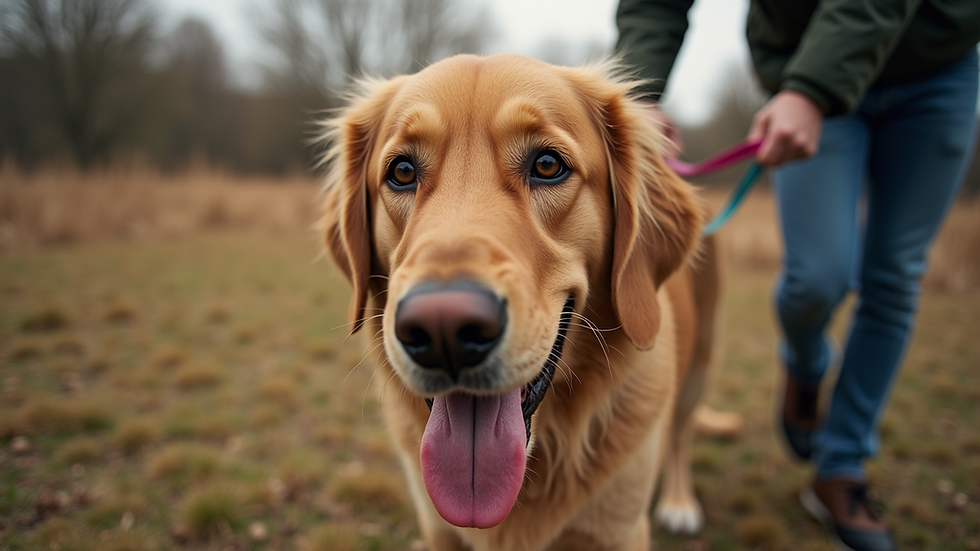
Understanding Your Dog's Personality
Every dog is unique, with its own personality traits and quirks. Understanding these traits is the first step in creating a personalized training plan. Here are some common personality types:
The Energetic Explorer: This dog loves to be active and is always on the move. Training should include plenty of physical activity and mental stimulation.
The Cuddly Companion: These dogs thrive on affection and may be more motivated by praise than treats. Use positive reinforcement techniques that focus on bonding.
The Shy Introvert: Some dogs may be timid or anxious. Training should be gentle and patient, focusing on building confidence through gradual exposure to new experiences.
Assessing Your Dog's Behavior
Before starting any training program, observe your dog's behavior in various situations. Take note of:
Reactions to strangers: Does your dog bark or hide?
Response to commands: Is your dog eager to learn, or do they seem disinterested?
Social interactions: How does your dog behave around other dogs and people?
This assessment will help you tailor your training approach to suit your dog's specific needs.
Setting Realistic Goals
Once you understand your dog's personality, it's time to set training goals. Keep these tips in mind:
Be Specific: Instead of saying, "I want my dog to behave," specify what behavior you want to change, such as "I want my dog to stop jumping on guests."
Make It Measurable: Set clear benchmarks to track progress. For example, "My dog will sit on command 8 out of 10 times."
Stay Flexible: Be prepared to adjust your goals as you learn more about your dog's capabilities and limitations.
Positive Reinforcement Techniques
Positive reinforcement is one of the most effective training methods. Here are some techniques to consider:
Treats: Use small, tasty treats to reward your dog immediately after they perform the desired behavior.
Praise: Verbal praise and affection can be just as motivating as treats. Make sure to celebrate your dog's successes.
Playtime: Incorporate play as a reward. If your dog loves fetch, use it as a reward for good behavior.
Timing is Key
Timing is crucial in positive reinforcement. Reward your dog immediately after they perform the desired behavior to help them make the connection between the action and the reward.
Consistency is Crucial
Consistency in training is vital for success. Here are some tips to maintain consistency:
Use the Same Commands: Choose specific words for commands and stick to them. For example, use "sit" instead of "sit down."
Involve Everyone: Ensure that all family members use the same commands and training techniques to avoid confusing your dog.
Establish a Routine: Dogs thrive on routine. Set aside specific times each day for training sessions.
Socialization is Essential
Socializing your dog is a critical aspect of training. It helps them become well-adjusted and confident. Here are some socialization tips:
Expose to Different Environments: Take your dog to parks, pet-friendly stores, and other public places to expose them to various sights and sounds.
Introduce to Other Dogs: Arrange playdates with other dogs to help your dog learn appropriate social behaviors.
Meet New People: Encourage your dog to interact with different people, including children and seniors, to build their confidence.
Addressing Behavioral Issues
If your dog exhibits behavioral issues, it's essential to address them promptly. Here are some common problems and solutions:
Excessive Barking: Identify the cause of barking. Is your dog bored, anxious, or trying to alert you? Address the root cause and use positive reinforcement to encourage quiet behavior.
Chewing: Provide appropriate chew toys and redirect your dog's attention when they start chewing on furniture or shoes.
Separation Anxiety: Gradually acclimate your dog to being alone by starting with short periods and gradually increasing the time.
Seeking Professional Help
If you're struggling with behavioral issues, consider seeking help from a professional dog trainer. They can provide personalized guidance and strategies tailored to your dog's needs.
Incorporating Mental Stimulation
Mental stimulation is just as important as physical exercise for your dog's well-being. Here are some ways to keep your dog's mind engaged:
Puzzle Toys: Invest in toys that require your dog to solve puzzles to access treats.
Training Games: Incorporate fun training games, such as hide and seek, to challenge your dog's problem-solving skills.
Obedience Classes: Enroll in obedience classes to provide structured learning and socialization opportunities.
Building a Strong Bond
Training is not just about commands; it's about building a strong bond with your dog. Here are some ways to strengthen your relationship:
Quality Time: Spend time together doing activities your dog enjoys, whether it's hiking, playing fetch, or simply cuddling on the couch.
Trust Building: Be patient and understanding. Trust takes time to develop, especially for shy or anxious dogs.
Positive Experiences: Create positive experiences during training sessions to foster a love for learning.
Conclusion
Training your dog is a rewarding journey that requires patience, understanding, and commitment. By personalizing your approach based on your dog's unique personality and needs, you can create a strong bond and a well-behaved companion. Remember to celebrate small victories along the way and enjoy the process of learning together.
Take the first step today by assessing your dog's personality and setting realistic training goals. Your dog is waiting for you to guide them on this exciting adventure!


Comments